News
Updates from the agricultural sector in Uruguay

In five years, Brazilian investments in Uruguay reached US$ 4.4 billion: the phenomenon behind the numbers.
Uruguay is consolidating itself as a key destination for Brazilian companies: in five years, investment rose from US$ 2.5 billion to US$ 4.4 billion, driven by major operations such as the acquisitions of Enjoy and HSBC. Brazil is already Uruguay’s main regional trading partner, and there are nearly 120 companies established in the country, generating 16,000 jobs. Interest is growing due to tax incentives, the Investment Promotion Law, and above all, Uruguay’s political stability and legal security — factors that Brazilian business leaders value in contrast to the uncertainty in their own country.
Read more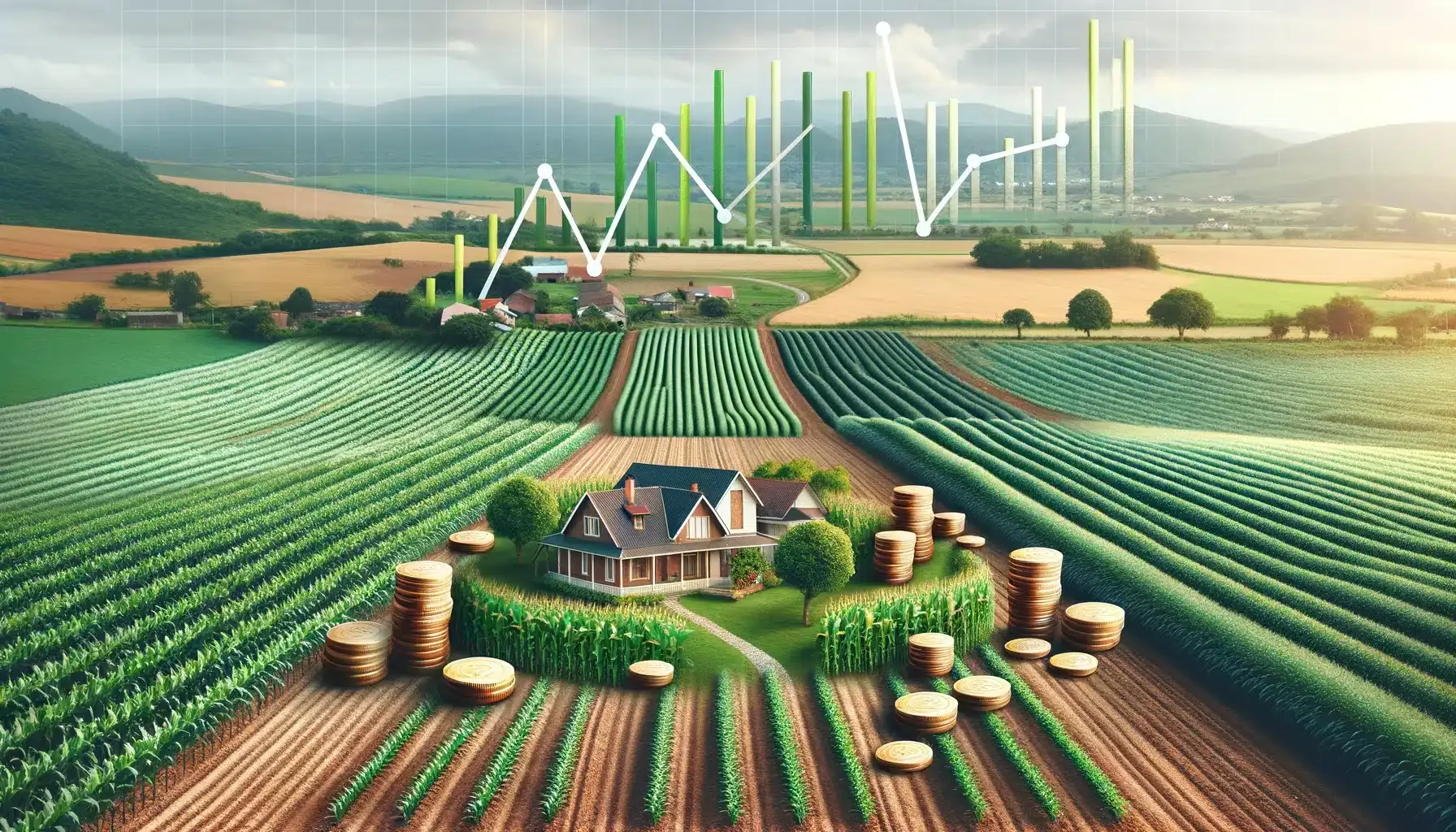
Is farmland a good investment? Comparing risk and returns to other asset classes
Summary — Is Farmland a Good Investment? Comparing Risk and Returns to Other Asset Classes (Purdue University, 2025) Farmland is not only a production resource but also the largest asset in U.S. agriculture, representing 83% of total farm assets and valued at over $3.5 trillion. Its stable, predictable returns and long‑term appreciation make it an appealing investment. Because owning farmland requires significant commitment, the article compares farmland’s performance to other major asset classes across multiple time horizons (1980–2024). How investments are evaluated The study uses three standard measures: Mean return – the average annual return. Standard deviation – the volatility or riskiness of returns. Coefficient of variation (CV) – risk relative to return; lower CV is preferred by risk‑averse investors. Comparison with other asset classes The analysis includes: Equities (DJIA, S&P 500) Bonds (10‑year Treasury, AAA corporate) Residential housing Gold Across all periods: Equities deliver the highest returns but also the highest volatility. Bonds provide lower returns but are much safer. Housing and gold fall in between. How Indiana farmland performs Using Purdue’s Land Values and Cash Rents Survey: Farmland appreciates at rates below equities but above bonds. It is less risky than equities, though riskier than bonds. Appreciation is remarkably consistent year‑to‑year, with little difference across land quality (top, average, poor). Total farmland returns: appreciation + cash rents Returns come from: Land value appreciation, and Cash rents (income from agricultural production). Cash rents: Increase steadily over time, Provide additional stability, Generally yield lower returns than appreciation but reduce overall volatility. Diversification benefits Farmland strengthens a portfolio because its returns behave differently from other assets: Weak correlation with equities → farmland does not move with the stock market. Inverse correlation with bond yields → farmland tends to rise when bond yields fall. Low correlation with housing and gold → adds true diversification. This means farmland can offset losses in other investments and reduce overall portfolio risk. Overall Conclusion Farmland offers: Competitive returns, Lower volatility than equities, Consistent long‑term appreciation, Stable income through cash rents, Weak or inverse correlation with other major asset classes. Result: Farmland is a stable, resilient, and highly effective diversification asset, performing between equities and bonds in both return and risk, and adding meaningful protection in uncertain economic environments. If you want, I can also create: a short version, an Instagram-ready version, or a commercial pitch version.
Read more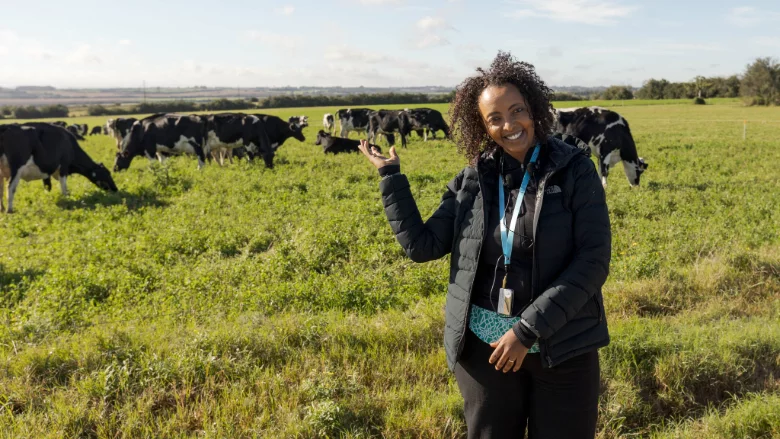
From Uruguay to Ethiopia: Innovations in Sustainable Livestock Practices
Ethiopia, home to the largest livestock population in Africa, visited Uruguay to study its innovations—particularly the cattle traceability system—to boost its livestock sector and enhance its resilience against climate hazards.
Read more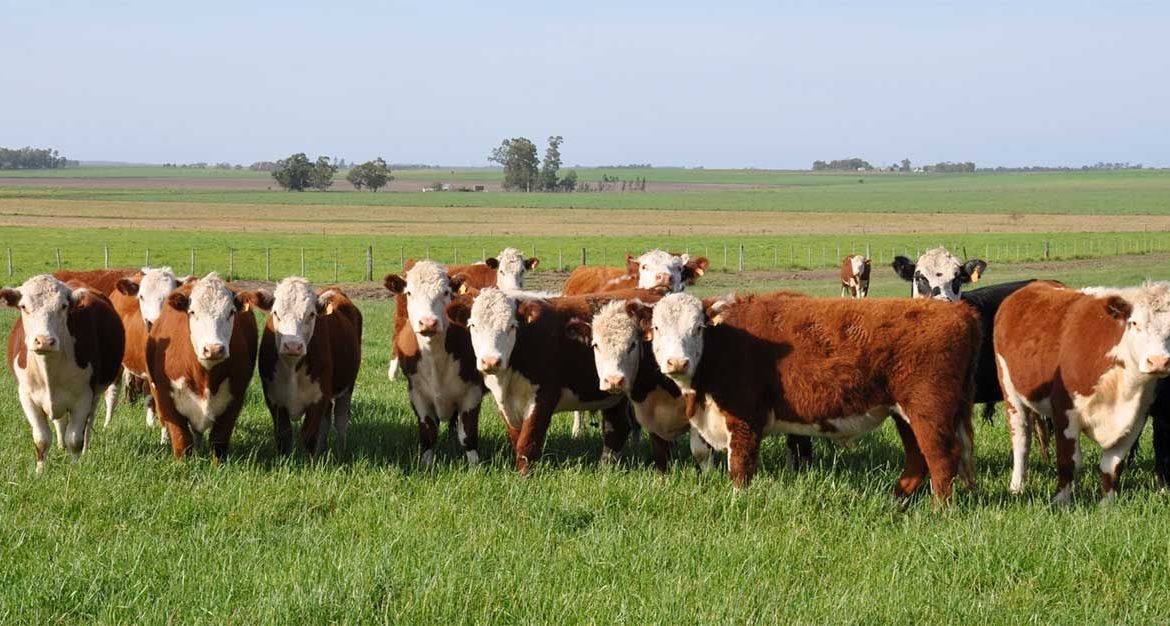
Uruguay quality beef complies with EU demands on deforestation, sustainability and traceability
Uruguay signed an agreement confirming to the European Union that its cattle were not bred on deforested land and that its beef is sustainable and traceable from birth to the supermarket shelf.
Read more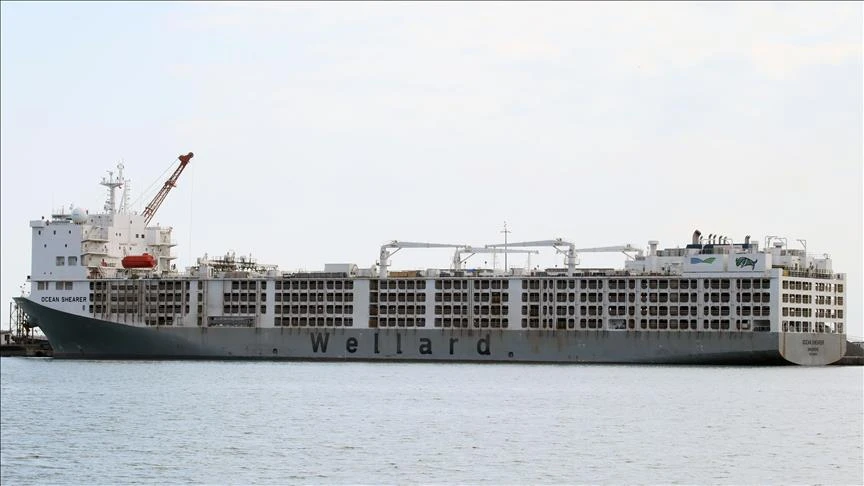
Türkiye to import cattle from Brazil and Uruguay to curb rising red meat prices
President Recep Tayyip Erdogan announced that the Ministry of Agriculture and Forestry would take the necessary steps to import cattle from Brazil and Uruguay in an effort to control rising red meat prices.
Read more